Devon Foster · 11 September 2026
Mapping Connections Between Fellowship Programs and Publisher Networks in Tech Governance Discussions
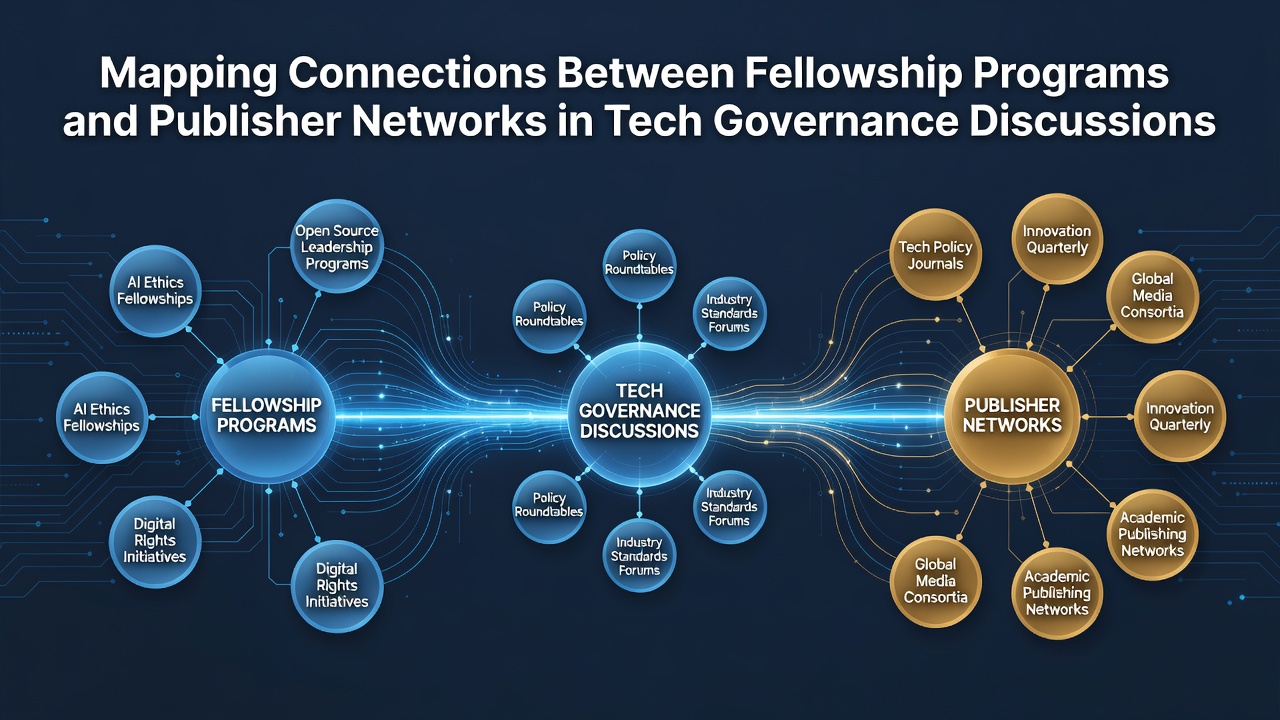
Tech governance discussions often involve fellowship programs that place researchers and policy experts into structured roles at think tanks, academic institutions, and international organizations, while publisher networks disseminate findings through academic journals, policy briefs, and online platforms. Researchers have traced these pathways because fellowship participants frequently contribute to publications that shape regulatory frameworks across multiple regions.
Structure of Fellowship Programs in Tech Policy
Fellowship initiatives select participants from universities, government agencies, and private sectors, then assign them to projects focused on artificial intelligence standards, data protection rules, and digital infrastructure oversight. Data from program records shows that many fellowships operate on 12 to 24 month cycles, during which participants produce reports that later appear in peer-reviewed outlets or industry white papers. European Commission documentation indicates that several EU-funded fellowships have generated outputs referenced in subsequent directives on platform accountability.
Observers note that selection criteria emphasize technical expertise alongside policy analysis skills, which allows fellows to bridge technical and regulatory communities. Those who complete such programs often maintain affiliations with their host institutions, creating sustained channels for information exchange that extend beyond the initial fellowship period.
Role of Publisher Networks
Publisher networks include academic presses, specialized policy journals, and digital repositories that distribute research on technology governance topics. These entities maintain editorial boards and peer-review processes that filter content before wider circulation. Figures from academic databases reveal that articles on tech policy topics have increased steadily since 2018, with many authors holding prior fellowship affiliations.
Connections emerge when fellowship participants submit work to journals or platforms managed by the same publisher networks. One study released by an Australian research institute documented how policy briefs authored during fellowships later received citations in submissions to national regulatory consultations. Such patterns suggest that publisher networks function as amplifiers for ideas developed within fellowship structures.
Tracing the Interconnections
Mapping efforts rely on citation analysis, institutional affiliation records, and publicly available program rosters. Researchers apply network mapping tools to identify clusters where fellows from one program consistently publish through particular outlets, while those outlets in turn highlight work from overlapping fellowship cohorts. This approach reveals recurring pathways rather than isolated incidents.
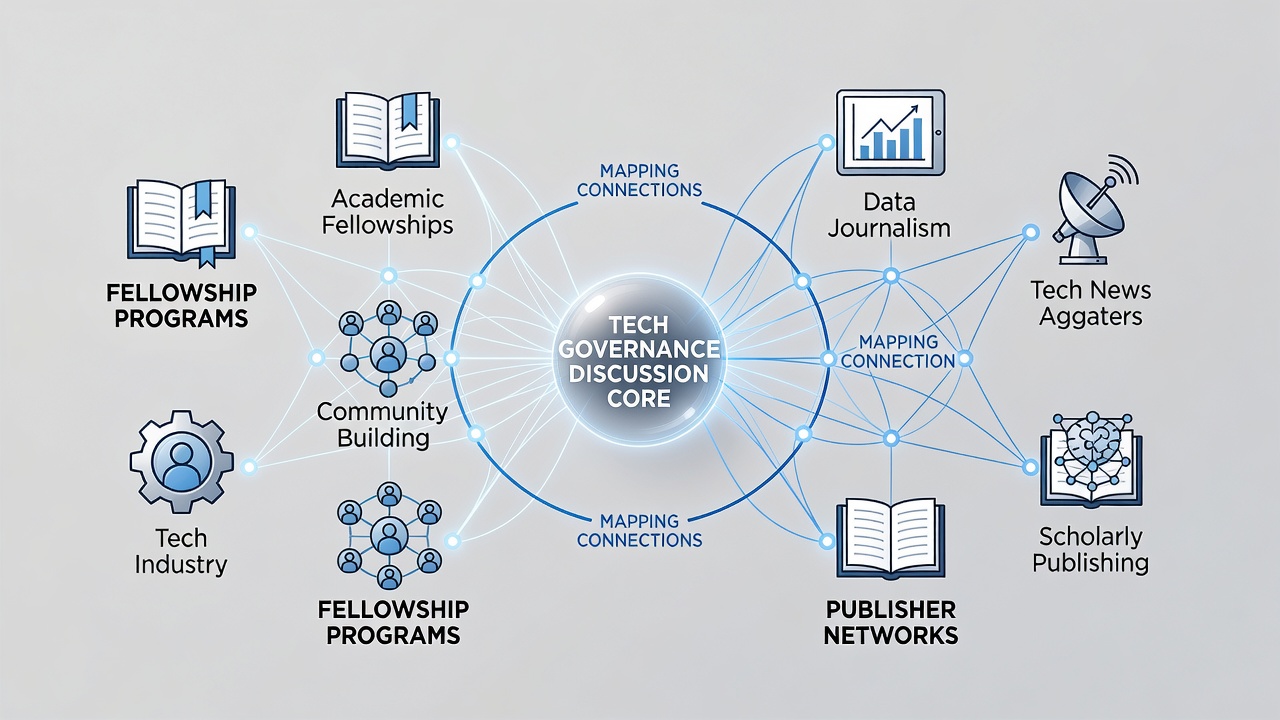
What's interesting is how these maps highlight geographic concentration in certain hubs, such as Brussels for EU-related work and Ottawa for Canadian perspectives, yet also show cross-border flows when fellows relocate after their terms. Data indicates that participants from North American programs often appear in European publisher outputs within two years of completion.
Developments Through 2026
By September 2026, several fellowship cohorts will have produced follow-up publications tied to ongoing global discussions on AI safety protocols and cross-border data flows. Records from participating organizations show that joint events scheduled for that period will bring together current fellows and alumni who now edit or contribute to major policy series. These gatherings provide venues where draft papers undergo review before submission to publisher networks.
Analysts have compiled datasets that track how many fellowship outputs from earlier cycles informed positions taken by regulatory bodies in multiple jurisdictions. The resulting maps demonstrate that certain publisher platforms serve as central nodes because they host both fellowship-derived research and commentary from non-affiliated experts, creating broader circulation patterns.
Conclusion
Mapping exercises continue to document how fellowship programs feed into publisher networks that carry ideas into tech governance forums. The documented links rely on verifiable affiliation records and publication histories rather than assumed influence. Future updates to these maps will incorporate new cohorts and emerging outlets as programs expand into additional regions and thematic areas.